Global Japanese Sushi Rolls
Highlighted under: Mediterranean Diet
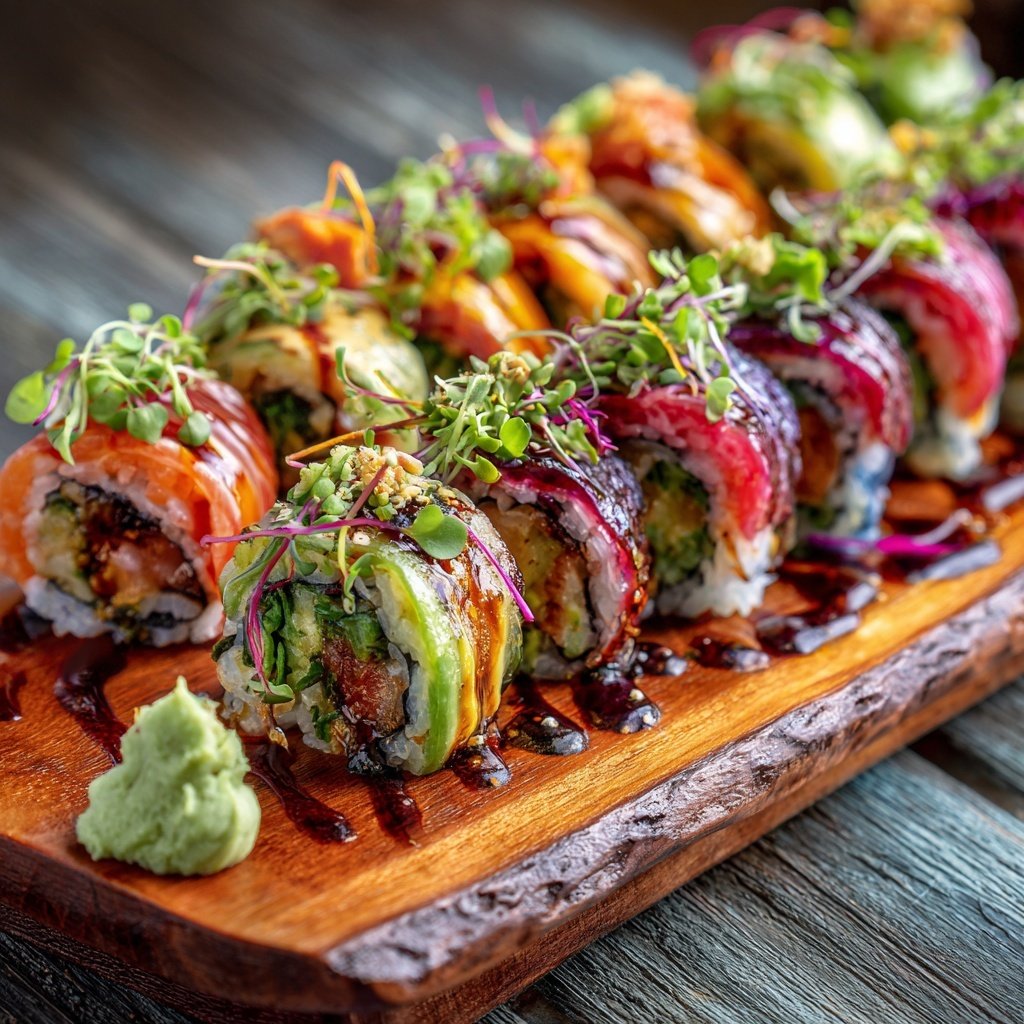
I love making sushi rolls at home, and my Global Japanese Sushi Rolls are a favorite in our household. These rolls combine traditional Japanese ingredients with a global twist that makes them unique and exciting. I enjoy experimenting with various fillings from different cuisines, and this recipe is a great way to showcase those flavors. With fresh vegetables, savory sauces, and perfectly seasoned sushi rice, these rolls are not only delicious but also a lot of fun to prepare. Join me in rolling these delightful treats!
When I first attempted making sushi at home, I was overwhelmed but intrigued. The process of rolling sushi involved precision and creativity, which I found thrilling. Over the years, I’ve experimented with ingredients beyond the traditional fish and avocado, incorporating flavors from cuisines like Mexican and Italian. This has led me to create unique combinations that my family and friends adore!
One tip I’ve found crucial is to use a bamboo mat for rolling—this helps create tight rolls and ensures that everything stays together. Additionally, adjusting the rice's vinegar mixture to your taste can elevate the flavor, making your sushi truly stand out. I can’t wait for you to try these global twists on classic sushi rolls!
Why You'll Love This Recipe
- A vibrant blend of global flavors all wrapped up in a delicate sushi roll
- Perfect for entertaining or a fun family dinner night
- Easy to customize with your favorite ingredients
Mastering Sushi Rice
The key to sushi rolls lies in the rice. Sushi rice should be short-grain for optimal stickiness, which helps hold the roll together. Rinsing the rice not only removes excess starch but also prevents it from becoming gummy. When cooking, make sure to let it rest covered for about 10 minutes post-cooking–this allows the grains to firm up slightly, ensuring each bite is tender yet holds its shape well.
Once your rice has cooled, mixing in the vinegar, sugar, and salt is crucial. The balance of these ingredients adds depth to the flavor of the rice. I recommend tasting it after mixing; you should notice a slightly tangy and sweet flavor. Aim for a glossy appearance before using it to make your rolls; this indicates the rice is properly seasoned.
Creative Fillings and Flavor Pairings
While traditional sushi often relies on raw fish, this recipe gleefully explores a variety of fillings. For added texture, consider incorporating crispy vegetables like radish or jicama. When using shrimp or crab, opt for fresh or high-quality canned options to enhance the overall taste. If you prefer plant-based proteins, a marinated tofu or tempeh can bring a delightful umami flavor while remaining versatile.
Herbs play a significant role in these rolls, especially the cilantro or basil. Their freshness balances the savory components and can even replace more traditional ingredients if you’re looking for a lighter twist. Don’t shy away from playing with flavors—try spicy mayo or a drizzle of teriyaki sauce for additional depth.
Serving and Storing Sushi Rolls
Presentation is key! When serving your sushi rolls, cutting them into even pieces ensures each slice offers a beautiful cross-section of the vibrant ingredients. I personally recommend using a wet knife to prevent sticking, which can ruin the edges and presentation. You can also sprinkle sesame seeds or drape a touch of spicy mayo on top for an appealing touch.
If you have leftovers, storing sushi rolls in an airtight container in the refrigerator can keep them fresh for a day. Pair them with a small bowl of soy sauce and your preferred garnishes for an easy meal the next day. Avoid freezing the rolls, as this can alter the texture of the rice and fillings.
Ingredients
Gather the following ingredients to create your Global Japanese Sushi Rolls:
Sushi Rice and Seasoning
- 2 cups sushi rice
- 2 1/2 cups water
- 1/4 cup rice vinegar
- 2 tablespoons sugar
- 1 teaspoon salt
Fillings
- 1 cucumber, julienned
- 1 avocado, sliced
- 1 bell pepper, thinly sliced
- 4 ounces cooked shrimp or crab meat
- 2 tablespoons cream cheese (optional)
- 1/4 cup fresh cilantro or basil (for a global twist)
Wrapping and Serving
- 4 sheets of nori (seaweed)
- Soy sauce for dipping
- Pickled ginger and wasabi for serving
Feel free to mix and match the fillings as per your liking!
Instructions
Let’s get started on making these delightful sushi rolls:
Prepare the Sushi Rice
Rinse the sushi rice under cold water until the water runs clear. Combine the rice and water in a rice cooker and cook according to the machine’s instructions. In a small saucepan, combine rice vinegar, sugar, and salt over low heat until dissolved. Once the rice is done, transfer it to a bowl and gently mix in the vinegar mixture. Allow it to cool to room temperature.
Prepare Your Fillings
While the rice is cooling, prepare your fillings. Slice the cucumber, avocado, and bell pepper into thin strips. If using shrimp or crab meat, ensure it’s cooked and ready to go. Lay out all your fillings for easy access.
Assemble the Sushi Rolls
Place a sheet of nori on a bamboo mat, shiny side down. With wet hands, spread a thin layer of sushi rice over the nori, leaving about an inch at the top edge. Place your chosen fillings horizontally across the center of the rice. Begin rolling from the bottom, using the bamboo mat to help shape the roll tightly. Seal the edge with a little water.
Slice and Serve
Using a sharp knife, slice the sushi roll into bite-sized pieces. Wipe the knife with a damp cloth between cuts for clean edges. Arrange the rolls on a platter and serve with soy sauce, pickled ginger, and wasabi.
Enjoy your sushi rolls as a fun appetizer or a main course!
Pro Tips
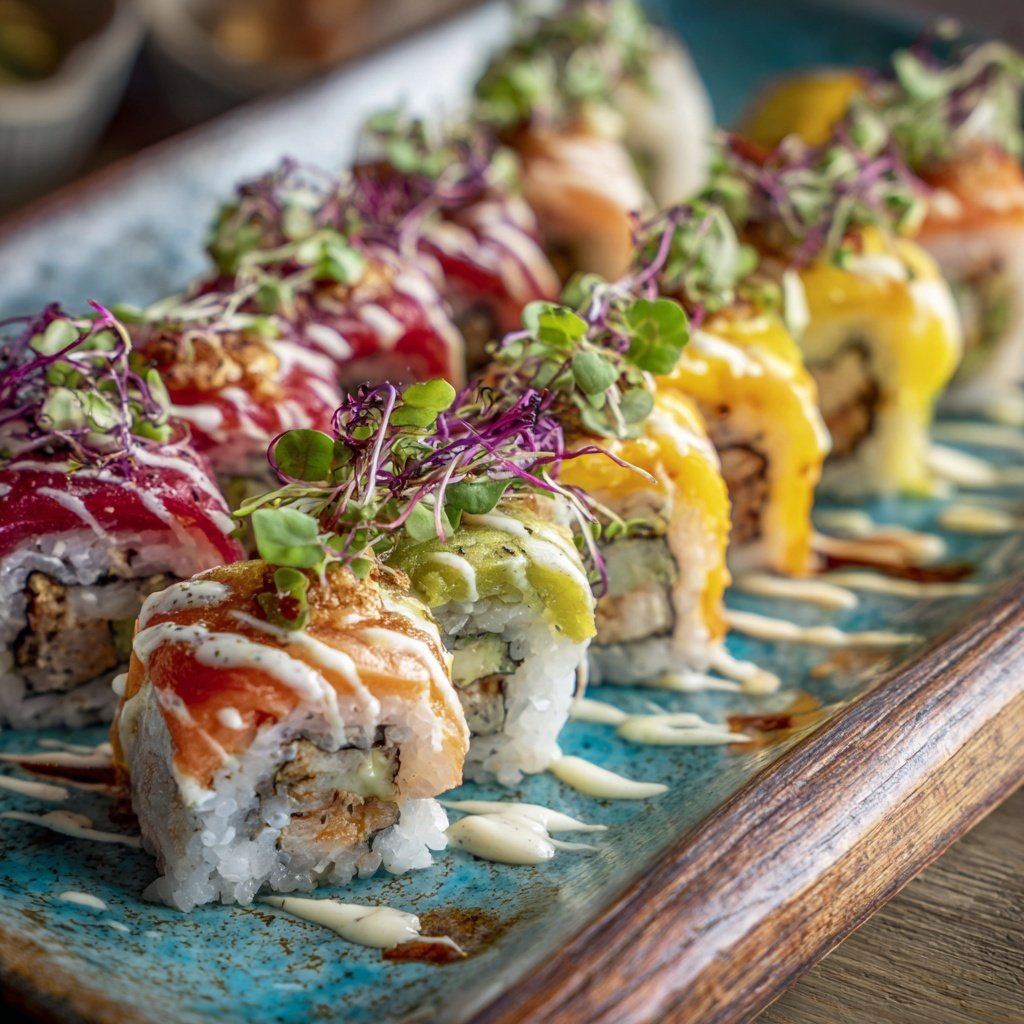
- Experiment with different sauces or toppings on top of the rolls to elevate the presentation and flavor. You might try a drizzle of sriracha mayo or sesame seeds for extra flair!
Tips for the Perfect Roll
Rolling sushi may seem intimidating at first, but practice makes perfect. Use a bamboo sushi mat for even pressure and easy shaping. When you start rolling, pull the mat back as you lift the edge of the nori, ensuring that the fillings are snug but not overly packed. This technique creates a tight roll that won’t fall apart when sliced.
If you're new to rolling, consider making smaller rolls (hosomaki) before attempting larger rolls (uramaki). Smaller rolls are easier to manage and typically require less filling, making them a great choice for beginners.
Ingredient Substitutions
You can easily adapt this recipe based on dietary needs or preferences. If you’re looking for a gluten-free option, substitute soy sauce with tamari. For those avoiding certain fats, you can replace cream cheese with avocado or a nut-based spread to achieve a similar creaminess.
For a vegetarian option, simply exclude seafood and double up on the vegetables. Grated carrots, roasted red peppers, or even marinated eggplant can contribute delicious flavors while keeping the dish entirely plant-based.
Flavor Enhancements
To elevate the flavor of your rolls, consider pickling some of the vegetables in rice vinegar and a bit of sugar beforehand. This can add a delightful tang that complements the richness of the avocado and shrimp. Your fillings will be more lively and add an extra layer of taste.
If you love heat, add thin slices of jalapeño or a touch of sriracha in the mix. Incorporating elements like this not only brings excitement to your roll but allows for personalization that suits your palate. Experiment with different combinations until you find your perfect flavor profile.
Questions About Recipes
→ Can I use brown rice instead?
Yes, you can use brown rice, but the cooking time and texture will vary. Make sure to follow specific instructions for brown sushi rice.
→ What if I can't find sushi rice?
If sushi rice is unavailable, you can substitute it with short-grain rice, but the texture may not be as sticky.
→ Is there a vegetarian option for the filling?
Absolutely! You can use a variety of vegetables like carrots, bell peppers, and tofu in place of seafood.
→ How do I store leftover sushi rolls?
It’s best to eat sushi rolls fresh. However, you can store them in the refrigerator for up to 24 hours in an airtight container.
Global Japanese Sushi Rolls
Created by: The Chefandreaskitchen Team
Recipe Type: Mediterranean Diet
Skill Level: Intermediate
Final Quantity: 4 servings
What You'll Need
Sushi Rice and Seasoning
- 2 cups sushi rice
- 2 1/2 cups water
- 1/4 cup rice vinegar
- 2 tablespoons sugar
- 1 teaspoon salt
Fillings
- 1 cucumber, julienned
- 1 avocado, sliced
- 1 bell pepper, thinly sliced
- 4 ounces cooked shrimp or crab meat
- 2 tablespoons cream cheese (optional)
- 1/4 cup fresh cilantro or basil (for a global twist)
Wrapping and Serving
- 4 sheets of nori (seaweed)
- Soy sauce for dipping
- Pickled ginger and wasabi for serving
How-To Steps
Rinse the sushi rice under cold water until the water runs clear. Combine the rice and water in a rice cooker and cook according to the machine’s instructions. In a small saucepan, combine rice vinegar, sugar, and salt over low heat until dissolved. Once the rice is done, transfer it to a bowl and gently mix in the vinegar mixture. Allow it to cool to room temperature.
While the rice is cooling, prepare your fillings. Slice the cucumber, avocado, and bell pepper into thin strips. If using shrimp or crab meat, ensure it’s cooked and ready to go. Lay out all your fillings for easy access.
Place a sheet of nori on a bamboo mat, shiny side down. With wet hands, spread a thin layer of sushi rice over the nori, leaving about an inch at the top edge. Place your chosen fillings horizontally across the center of the rice. Begin rolling from the bottom, using the bamboo mat to help shape the roll tightly. Seal the edge with a little water.
Using a sharp knife, slice the sushi roll into bite-sized pieces. Wipe the knife with a damp cloth between cuts for clean edges. Arrange the rolls on a platter and serve with soy sauce, pickled ginger, and wasabi.
Extra Tips
- Experiment with different sauces or toppings on top of the rolls to elevate the presentation and flavor. You might try a drizzle of sriracha mayo or sesame seeds for extra flair!
Nutritional Breakdown (Per Serving)
- Calories: 420 kcal
- Total Fat: 10g
- Saturated Fat: 1g
- Cholesterol: 55mg
- Sodium: 600mg
- Total Carbohydrates: 69g
- Dietary Fiber: 7g
- Sugars: 2g
- Protein: 14g